Because I was inspired by a nerdy culture, I thought of making something that was a part of that, and one of the most popular characters of this culture is master chief. Being the main character of the Halo Franchise which has made 3.4 billion dollars from the games alone. He is a well known character in the video game world. The actual armor that Master chief wears is called the Mark VI MJOLNIR armor.
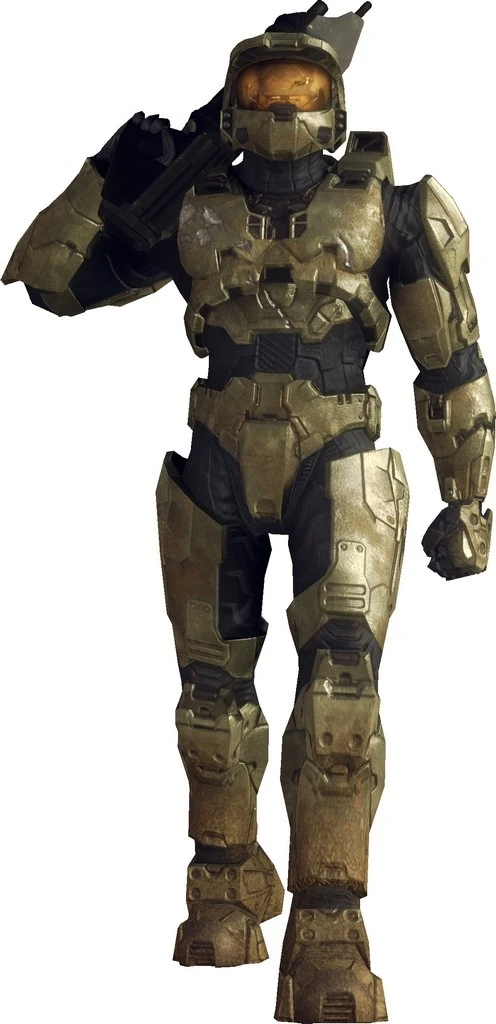
Mark VI MJOLNIR armor
Before starting the build, I had already seen a video that gave instructions on how to build with armor since a lot of people wanted to get their hands on some of this armor. The method that this video showed was a paper craft method which is the method used by a lot of people, mainly because it's cheap(cost $100 to make). One thing that I had to work with from the start of this build is that the video states that the paper craft method can take from four months to a year to build a full set of armor and after seeing other people's experience with this build, they also took about four months to a year to make. But for me I only had two months to make it.
The DIY video can be seen here:
The first step to this process is to download print and cut out each of the armor pieces( 15 pieces in total).


As I cut-out and assembled some of the pieces, I realized that they did not fit me and weren't proportional to the other pieces. As seen in the photo above I had to remake some of the pieces twice but slightly smaller (big on top, small on the bottom), because in the game Master Chief is seven feet tall so the proportions of the armor pieces should be reduced to fit my body.
The second step of the process is to apply the Fiberglass resin. This resin works a lot like glue, it's thick and can be applied easily to things such as paper, but unlike glue when the hardener is mixed with the resin and then dried, it hardens much more than glue, it is still light and with the fiber glass it's also strong. This is why it's used for this process, because it can be easily applied and is still durable afterwards even though it's main use is for car repair.

Resin

Fiberglass


Although this was not a part of the video's instructions, I used some Body filler as well, since my father accidently bought it thinking it was the Fiberglass resin. Instead of returning it, I thought I could use it. The body filler works just like the resin except it's way more thicker, because of this, I saw that I could use it to fix and shape the armor pieces incase they hardened in the resin in a weird way. Instead of having to remake and resin the pieces again.


I painted some of the pieces a solid color to see any imperfections that were still left from the body filler


and added more body filler


Because the resin and the body filler need to be dried after being used, I felt I should be doing some more work on the armor instead of waiting. So I thought of making a prop that went with the costume, which was a weapon but just about every weapon in the halo franchise is very cool. The weapon I chose was a more nostalgic weapon of the series which was the Assault Rifle.

Evolution of the Assault rifle


The third step Is painting. With painting something like a costume or a prop, I've heard of two different types of painting. One Is called standard issue or factory which means what the prop looks like when it's made brand new in that world. Another is weathered, which means that it's been used and had some damage or weathering on it. For my build I decided to make it slightly weathered.
For the armor, it required some sliver paint on the edges, to show that those edges have rubbed of paint, exposing the metal. Another thing I did was painting any crevices black, to show that some dirt and grime has accumulated in the suit from usage.


And the Final step was padding and attaching, underneath the armor was some black tights, because it had to completely cover the wearer of the suit.
For some of the pieces I had to add some string to the pieces so I could tie them on and I had to add Velcro onto the tights and the pieces themselves, because even with the string they slipped, such as the Bicep pieces, the cod piece and the thighs.
For the other pieces I simply hot glued some foam to the pieces to make it comfortable and to make it a pressure fit, such as the helmet, the Bracers, the cod pieces and the shin guards.
After that it was finally finished and ready before Halloween.
After having built it and seeing how it held during it's use at school, Some things that I learned were to:
- add more layers of resin to make it even more durable
- smooth out the pieces more (some of them were still bumpy)
- attach the pieces to me better (even with the string and Velcro some pieces still slipped)
Even though it's use at school on Halloween resulted in it being heavily damaged ( both of the shoe pieces broke before school even started, since it could not handle walking). I was still very happy with the whole suit, even after having to rush it with the two month timeline and paying $200 instead of $100. The reactions it got from other students and teachers made me happy enough to try to do more things like this.


:)

